Fire safety is a legal and operational responsibility that no business can afford to overlook, particularly when systems fail or risks increase. We recognize that fire-related incidents often occur during transitional moments such as construction, equipment malfunction, or regulatory inspections. These are the precise situations where Fire Watch Guards become a mandatory safeguard rather than an optional service. We outline below the exact scenarios, regulations, and best practices businesses must understand to remain compliant and protected.
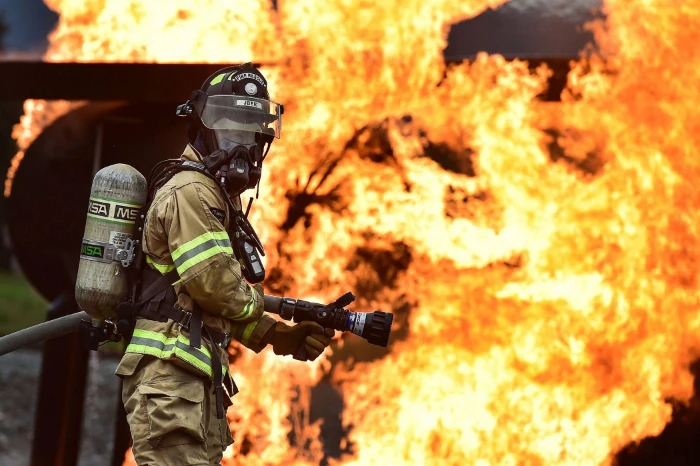
Understanding the Role of Fire Watch Guards
Fire Watch Guards are trained professionals assigned to monitor premises for fire hazards when normal fire protection systems are impaired or when high-risk activities are underway. We rely on these guards to conduct continuous patrols, identify ignition sources, enforce safety protocols, and initiate emergency response procedures. Their presence ensures uninterrupted fire safety coverage when alarms, sprinklers, or suppression systems are offline or insufficient.
Situations That Legally Require Fire Watch Guards
We are required to deploy Fire Watch Guards whenever fire detection or suppression systems are non-operational due to maintenance, repairs, or unexpected failure. Construction and renovation projects involving hot work such as welding or cutting also trigger mandatory fire watch requirements. Large public gatherings, temporary structures, and events with elevated fire loads often necessitate fire watch coverage to meet occupancy and safety regulations.
Fire Code and Regulatory Requirements Businesses Must Follow
We comply with local fire codes, National Fire Protection Association (NFPA) standards, and authority having jurisdiction mandates that clearly define fire watch obligations. Regulations typically require continuous monitoring, documented patrol logs, and immediate reporting of hazards. Failure to adhere to these standards can result in citations, shutdown orders, or liability exposure in the event of an incident.
Industries That Most Commonly Require Fire Watch Services
We frequently see Fire Watch Guards mandated in construction sites, manufacturing facilities, warehouses, healthcare institutions, hospitality venues, and commercial office buildings. Facilities storing flammable materials or operating heavy machinery face heightened scrutiny. Any industry with complex infrastructure or high occupant density must be prepared to implement fire watch protocols without delay.
Responsibilities and Duties of Fire Watch Guards
We expect Fire Watch Guards to conduct systematic patrols of all assigned areas, maintain clear access to exits and fire equipment, and enforce no-smoking or hot work restrictions. Guards are responsible for detecting smoke, heat, or unsafe conditions and taking immediate action. They must be capable of alerting emergency services, initiating evacuation procedures, and coordinating with onsite management.
How Fire Watch Guards Prevent Costly Business Disruptions
We understand that downtime caused by fire system failures can severely impact operations. Fire Watch Guards allow businesses to continue functioning while remaining compliant with safety regulations. Their presence minimizes the risk of catastrophic loss, protects assets, and demonstrates due diligence to inspectors, insurers, and stakeholders.
Penalties for Non-Compliance and Why Proactive Action Matters
We emphasize that non-compliance with fire watch requirements can lead to substantial fines, revoked permits, or forced closures. In the event of a fire, lack of proper fire watch coverage may invalidate insurance claims and expose businesses to litigation. Proactive deployment of Fire Watch Guards safeguards both legal standing and reputation.
Choosing Qualified and Certified Fire Watch Guards
We prioritize guards who are properly trained, certified, and familiar with local fire codes. Professional Fire Watch Guards possess clear communication skills, situational awareness, and documented experience in emergency response. Selecting a reputable provider ensures consistency, accountability, and full regulatory alignment.
Documentation and Reporting Requirements
We maintain detailed fire watch logs that record patrol intervals, observed conditions, corrective actions, and incident reports. These records are often required by fire marshals and inspectors as proof of compliance. Accurate documentation also supports internal audits and risk management processes.
Integrating Fire Watch Guards into Your Safety Strategy
We integrate fire watch services into a broader fire prevention and emergency response plan. Coordination with facility managers, security teams, and maintenance personnel ensures seamless coverage. This integrated approach strengthens overall safety culture and reduces vulnerability during high-risk periods.
Fire Watch Guards during Temporary Power Outages
We treat temporary power outages as a high-risk period that often mandates Fire Watch Guards, especially when emergency lighting, alarm panels, or monitoring systems are affected. During these intervals, guards provide continuous visual surveillance to compensate for reduced automated protection. Their presence ensures early detection of smoke or fire and maintains safe evacuation routes until full power and system functionality are restored.
Fire Watch Guards for Insurance and Audit Compliance
We recognize that insurers and third-party auditors increasingly require documented Fire Watch Guards during system impairments or elevated risk operations. Proper fire watch coverage demonstrates active risk mitigation and compliance with policy conditions. This proactive measure helps prevent premium increases, claim denials, or adverse audit findings while reinforcing operational credibility.
Fire Watch Guards as Part of Long-Term Risk Management
We incorporate Fire Watch Guards into long-term risk management strategies rather than viewing them as a short-term obligation. Regular assessments, pre-planned deployment protocols, and coordination with fire authorities reduce response time during emergencies. This structured approach strengthens resilience, supports regulatory readiness, and ensures consistent fire safety standards across all business locations.
By understanding when Fire Watch Guards are required and how they function within regulatory frameworks, we ensure our businesses remain compliant, operational, and protected at all times.