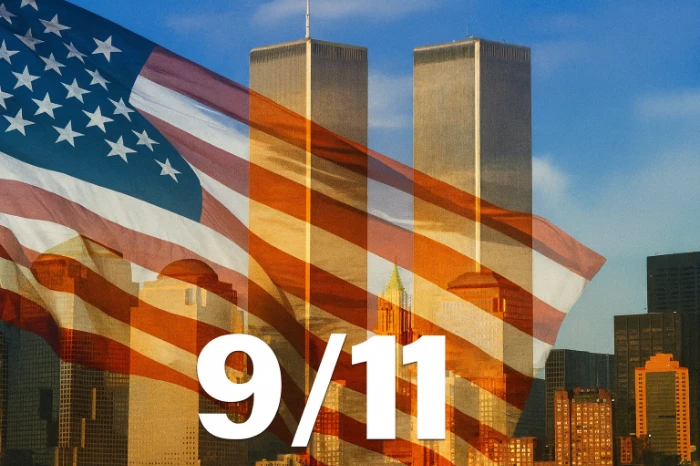
The events of September 11, 2001, forever changed America’s landscape and collective consciousness. More than two decades later, ensuring that younger generations understand the significance of that day remains crucial for our nation’s future. The September 11 Foundation stands as a beacon of hope and education, transforming the lessons learned from tragedy into tools for building stronger, more resilient communities.
Located at One World Trade Center on Fulton Street in New York City, this nonprofit organization doesn’t just preserve memories—it actively shapes tomorrow’s leaders. By focusing on character development and emergency preparedness, the Foundation creates meaningful connections between historical events and contemporary challenges. Their work ensures that the courage, sacrifice, and unity displayed on that fateful day continue inspiring positive action.
Understanding the Mission Behind the Foundation
The Foundation operates with a dual purpose that sets it apart from other memorial organizations. While honoring the past remains important, equipping future generations with practical skills and strong character takes center stage. This forward-thinking approach recognizes that true remembrance means applying yesterday’s lessons to today’s challenges.
Core Values That Guide the Organization
Faith serves as a cornerstone of the Foundation’s philosophy, recognizing that spiritual strength helped countless individuals persevere during America’s darkest hours. This doesn’t mean promoting any specific religion—rather, it’s about acknowledging how belief systems provide comfort and motivation during crises. Many survivors and first responders credit their faith with giving them courage when fear threatened to overwhelm.
Family represents another fundamental pillar, because strong family bonds create resilient communities. The Foundation emphasizes how families support each other through difficulties, just as Americans came together after the attacks. They teach young people that their immediate support network—whether blood relatives or chosen family—forms the foundation for personal growth and community strength.
Commitment to excellence drives every program and initiative. The Foundation believes that honoring those who perished means striving for the highest standards in everything we do. This value connects directly to the extraordinary dedication shown by first responders who rushed toward danger without hesitation.
Public service rounds out the core values, encouraging young people to contribute meaningfully to their communities. Whether through careers in emergency services, volunteer work, or simply being good neighbors, this focus on serving others creates a lasting legacy of the unity Americans displayed after 9/11.
Educational Programs for Tomorrow’s Leaders
The Foundation develops comprehensive curricula that bring history to life for students who weren’t born when the towers fell. These programs go beyond textbook facts, using personal stories, multimedia presentations, and interactive experiences to create emotional connections with the material. Students learn not just what happened, but why it matters for their own lives.
Character education forms the backbone of these programs, with lessons structured around real-life examples from September 11th. When young people hear about firefighters climbing stairs while others descended, or passengers on Flight 93 choosing to fight back, they understand courage as something tangible rather than abstract. The Foundation helps students identify similar character traits within themselves and provides opportunities to develop them further.
Workshops and seminars bring these concepts out of classrooms and into practical application. Students participate in team-building exercises designed to mirror the collaboration first responders demonstrated during rescue operations. They practice decision-making under pressure, learning how to stay calm when circumstances become overwhelming. These hands-on experiences create muscle memory that serves students well throughout their lives.
How the Foundation Honors First Responders
While educating youth remains central to the mission, the Foundation never forgets those who served on September 11th and continue serving today. Their programs for current and former first responders demonstrate ongoing appreciation for the sacrifices made by police officers, firefighters, paramedics, and other emergency personnel.
Training Today’s Emergency Personnel
Modern disaster response requires constantly evolving skills and knowledge. The Foundation provides resources that keep first responders updated on best practices, new technologies, and lessons learned from recent emergencies. These training opportunities supplement official department programs, offering specialized workshops that might not otherwise be available to smaller agencies with limited budgets.
Cross-agency collaboration forms a key component of these initiatives. September 11th proved how crucial communication and cooperation between different departments can be during major incidents. The Foundation facilitates networking opportunities where firefighters, police officers, EMTs, and other specialists share insights and build relationships that prove invaluable during actual emergencies.
Mental health support has become increasingly recognized as essential for first responders who routinely face traumatic situations. The Foundation connects emergency personnel with counseling services, peer support groups, and wellness programs. They understand that taking care of responders’ psychological wellbeing directly impacts their ability to help others effectively.
Supporting Families of Heroes
The ripple effects of September 11th continue touching families more than twenty years later. Many children grew up without parents, spouses lost partners, and parents buried children far too young. The Foundation maintains connections with these families, ensuring they receive ongoing support and remembrance. Scholarship programs help children of fallen first responders pursue education, giving them opportunities their parents would have wanted them to have.
Annual remembrance events bring families together, creating spaces where shared experiences foster healing and community. These gatherings honor individual lives lost while celebrating the collective spirit that emerged from tragedy. For many family members, knowing that others remember and care provides comfort that eases their ongoing grief.
Character Development Through Historical Lessons
Adversity reveals character in ways that prosperity never could. The Foundation built its entire educational philosophy around this truth, using September 11th as a case study for understanding how people respond to extreme challenges. By examining both individual actions and collective responses, students gain frameworks for handling their own difficulties—whether personal crises or community emergencies.
Teaching Courage and Commitment
Courage doesn’t mean feeling no fear—it means acting despite being afraid. This distinction matters tremendously for young people who sometimes believe they should never feel scared or uncertain. The Foundation teaches that first responders felt terrified on September 11th, yet they still did their jobs. Passengers on hijacked planes felt helpless, yet they still fought back. Understanding that courage coexists with fear makes bravery accessible rather than superhuman.
Commitment shows up in how people follow through even when circumstances become difficult. The Foundation highlights stories of individuals who could have left but stayed to help others. They explore what motivates that level of dedication, helping students identify their own sources of commitment. Whether that’s family, faith, professional duty, or love for community, recognizing what drives us helps sustain effort when things get tough.
Faith and Family in Times of Crisis
Statistics show that communities with strong social bonds recover faster from disasters than those where people remain isolated. The Foundation emphasizes how faith communities mobilized after September 11th, providing everything from meals to counseling to physical labor during cleanup. They don’t push any particular religious tradition, but they do encourage students to consider how spiritual practices and beliefs provide resilience during difficult times.
Family structures extend beyond biology, encompassing the chosen families people create throughout life. The Foundation helps young people appreciate these support networks while teaching them how to be better friends, partners, and community members themselves. When disaster strikes, having strong relationships makes the difference between despair and hope.
Visiting the Foundation’s New York Location
Standing at One World Trade Center carries emotional weight that photos and documentaries can’t fully capture. The Foundation’s location at this iconic address isn’t accidental—it represents renewal, resilience, and remembrance all at once. Visitors find themselves at ground zero of American history, surrounded by symbols of both tragedy and triumph.
What to Expect During Your Visit
The Foundation maintains educational exhibits that complement rather than duplicate the nearby 9/11 Memorial & Museum. Their focus stays trained on character development and preparedness, offering visitors actionable insights alongside historical information. Interactive displays let people test their decision-making skills in simulated emergency scenarios, while video presentations feature first responders and survivors sharing their experiences.
Tours can be arranged for school groups, community organizations, or individual visitors interested in learning more about the Foundation’s work. Staff members provide context that helps guests connect historical events with contemporary relevance. They explain how lessons from September 11th apply to everything from natural disasters to personal challenges, making the visit meaningful for people from all backgrounds.
The Foundation’s office at Fulton Street welcomes inquiries about programs, partnerships, and ways to get involved. Whether you’re a teacher seeking curriculum resources, a community leader wanting to bring programming to your area, or simply someone inspired to support the mission, the staff stands ready to discuss opportunities. You can reach them at (609) 831-0911 or visit september11foundation.com for more information.
Getting Involved: Ways to Support the Cause
Nonprofit organizations depend on community support to fulfill their missions. The September 11 Foundation offers multiple pathways for people who want to contribute their time, talents, or resources toward educating young people and supporting first responders.
Volunteer Opportunities Available
Educational programs require volunteers who can serve as mentors, workshop facilitators, or guest speakers. Former first responders bring invaluable perspectives to these roles, but anyone with relevant experience in education, emergency services, or character development can make meaningful contributions. The Foundation provides training to ensure volunteers feel confident and prepared.
Event support represents another volunteer need, particularly during memorial ceremonies, fundraisers, and community outreach activities. These events connect the Foundation with new audiences while honoring the memory of September 11th. Volunteers help with logistics, guest services, and program coordination.
Administrative support might sound less glamorous than working directly with students, but it’s equally important. Behind every successful program lies considerable organizational work—database management, communications, grant writing, and general office tasks. People with professional skills in these areas can volunteer their expertise to strengthen the Foundation’s operations.
Donation and Partnership Options
Financial contributions enable the Foundation to expand programming, reach more students, and provide better resources for first responders. Donations of any size make a difference, whether supporting a single student’s participation in a workshop or funding an entire program series. The Foundation maintains transparency about how funds are used, ensuring donors can see the direct impact of their generosity.
Corporate partnerships create opportunities for businesses to demonstrate community commitment while gaining visibility for their brands. Companies can sponsor specific programs, provide in-kind donations of goods or services, or collaborate on employee volunteer initiatives. These relationships benefit everyone involved—the Foundation gains resources, businesses strengthen their community ties, and students receive enhanced educational experiences.
Educational institutions can partner with the Foundation to bring programming directly into schools. This might involve hosting workshops, integrating curriculum materials into existing classes, or arranging field trips to New York. Teachers appreciate the high-quality, ready-to-use resources that align with educational standards while addressing character development in meaningful ways.
According to research from the National September 11 Memorial & Museum, educational programs about 9/11 help students develop critical thinking skills, historical understanding, and civic engagement. The September 11 Foundation extends these benefits by explicitly connecting historical events to personal character development and community preparedness.
Contact: The September 11 Foundation
One World Trade Center, Fulton St, New York, NY 10006
september11foundation.com (609) 831-0911